
SARDS & IMR
Sudden Acquired Retinal Degeneration Syndrome (SARDS) and Immune Mediated Retinitis (IMR)
What is SARDS?
Sudden Acquired Retinal Degeneration Syndrome (SARDS) is a syndrome characterized by a sudden onset of blindness in dogs. Approximately 50% of SARDS patients show signs of excessive appetite, excessive drinking and urination, and weight gain. SARDS usually develops in middle-aged dogs, predominantly in small and middle-sized breeds, and many SARDS patients have a current or previous history of different autoimmune diseases. Clinical evidence and molecular data confirm complex immunological mechanisms of retinal damage involving T-cells, macrophages, B-cells, activation of the retinal pigment epithelium, retinal auto-antibody production, and complement activation — confirming that SARDS is an immune-mediated disease, not a disease of unknown cause. SARDS is not associated with cancer.
For more detailed information on clinical changes in SARDS and the molecular mechanisms of SARDS, you can read our peer-reviewed article from the journal Veterinary Ophthalmology (published in 2018), available online for free:
Optical coherence tomography and molecular analysis of sudden acquired retinal degeneration syndrome (SARDS)
Grozdanić et al., Veterinary Ophthalmology, 2018 — PubMed Central
A more recent study compares retinal gene expression profiles in SARDS and cancer-associated retinopathy (CAR) to identify the molecular pathways shared between — and distinct to — each condition:
Retinal Transcriptomic Signatures in SARDS and CAR — Grozdanić et al., Animals, 2026What is IMR?
Immune Mediated Retinitis (IMR) is a disease which is in many aspects very similar or almost identical to SARDS. Approximately 5% of IMR dogs may have an underlying cancer. The presence of cancer may result in excessive immune system activation aimed at destroying the cancer, and in some cases the immune system will recognize identical molecules in the cancer cells and retinal cells — resulting in a misguided immune attack on the eye that leads to vision loss and ultimately blindness (cancer-associated retinopathy, or CAR).
For more detailed information on cancer-associated retinopathy, you can review our presentation from the Annual American College of Veterinary Ophthalmology Conference in 2016.
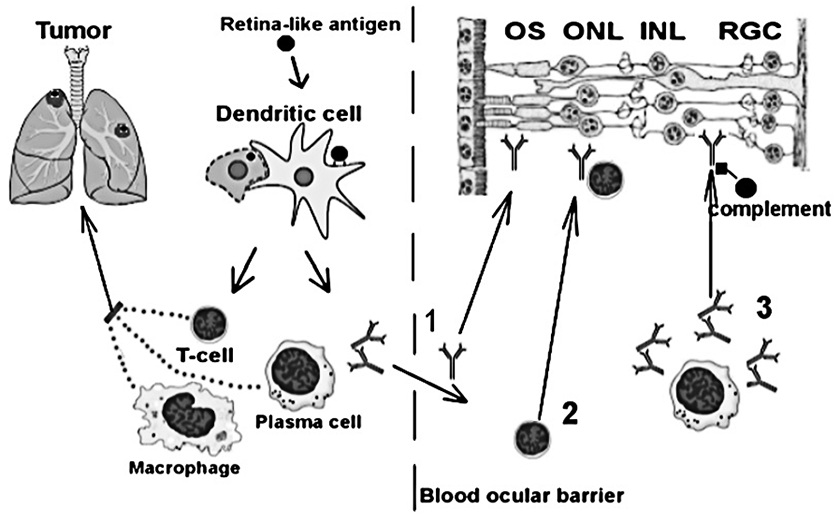
Proposed molecular mechanism of retinal damage in SARDS and IMR involves activation of T-cells, macrophages, and B-cells. Auto-antibodies may attack the retina from the systemic circulation, but may also be produced locally in the ocular tissues, resulting in negative serology tests. (Image adapted from Grozdanić et al., “Antibody-mediated retinopathies in canine patients: mechanism, diagnosis and treatment modalities,” Vet Clin North Am Small Anim Pract. 2008 Mar;38(2):361-87.)
Are SARDS and IMR dangerous to my pet's general health?
SARDS and IMR are autoimmune diseases, which can frequently cause:
- Kidney damage (proteinuria, microalbuminuria, membranous glomerulonephritis)
- Pancreatitis
- Low levels of thyroid hormones (hypothyroidism)
- Liver function abnormalities (elevation of liver enzymes, increased sensitivity to systemic steroid therapy)
- High blood pressure (systemic hypertension)
- Pseudo-Cushing's disease symptoms (excessive thirst and urination, excessive appetite and weight gain)
- Neurological symptoms (loss of vision, hearing, or smell sensation, ataxia, depression, lethargy, change in mentation)
These changes can be dangerous to the overall health of affected dogs. A detailed evaluation of the systemic organ status is highly recommended for these patients, even if no therapy for the possible vision restoration is planned.
Are SARDS and IMR treatable diseases?
Over the last 10 years, our team has developed completely novel diagnostic and treatment protocols for these diseases. We usually pursue systemic immunosuppressive therapy in combination with systemic or intraocular intravenous immunoglobulin (IVIg) treatment, with a goal of restoring some vision. In many patients, additional medical therapy is recommended to address possible abnormalities associated with the function of different organs (kidneys, liver, endocrine glands, brain, etc.). We give maximum effort to carefully tailor medical treatment for each patient, with a goal of minimizing any possible side effects and maximally increasing the chance for a successful treatment outcome. Based on our data, the most frequent causes of death in SARDS patients are pancreatitis, kidney failure, and uncontrolled immune-mediated disease affecting the gut, liver, brain, and spinal cord. Similar causes of death are observed in IMR patients; however, patients with a history of cancer usually die as a result of cancer progression.
What is the success rate for SARDS and IMR treatment?
Early SARDS and IMR
Dogs with early symptoms of SARDS and IMR usually have near-normal or normal day vision, permanent or intermittent night-vision deficits, depth-perception issues (reluctance to walk up and down stairs or jump on and off the bed, usually in dim light conditions), inability to see small treats, abnormal chromatic pupil light reflex responses, and decreased but still present ERG responses. Frequently these patients will have a history of abnormal weight gain, excessive appetite, excessive thirst and urination, and a history of elevated liver enzymes or presence of protein in the urine. These patients have a 90–95% therapeutic success rate in terms of long-term vision preservation when treated with immunosuppressive medications. The key to successful treatment is early diagnosis. Please visit your local ophthalmologist for a detailed ophthalmology evaluation as soon as you detect any of the above-mentioned problems.
Intermediate SARDS
Dogs with intermediate SARDS usually have near-normal or normal day vision, complete night blindness, abnormal chromatic pupil light reflex responses, and completely extinguished ERG responses (“flat ERG”). Frequently these patients will have a history of abnormal weight gain, excessive appetite, excessive thirst and urination, and a history of elevated liver enzymes or presence of protein in the urine. These patients have an 85–90% therapeutic success rate in terms of long-term vision preservation when treated with immunosuppressive medications. The key to successful treatment is early diagnosis — all dogs with intermediate SARDS develop complete blindness unless treated. Please visit your local ophthalmologist for a detailed ophthalmology evaluation as soon as you detect any of the above-mentioned problems.
For more detailed information on intermediate SARDS, you can review our presentation from the Annual American College of Veterinary Ophthalmology Conference in 2016:
Advanced SARDS and IMR
These dogs are characterized by complete day and night vision loss, abnormal chromatic pupil light reflex responses, and completely extinguished ERG responses (“flat ERG”). Frequently these patients will have a history of abnormal weight gain, excessive appetite, excessive thirst and urination, and a history of elevated liver enzymes or presence of protein in the urine. These patients have a 65% therapeutic success rate in terms of recovering visual navigation skills in bright light conditions, a 30% success rate in terms of recovering menace response (hand-motion detection), and a 20% success rate in terms of tracking small objects in the visual field, when treated with immunosuppressive medications in a timely manner.
For more detailed information on the diagnosis, clinical findings, and molecular mechanism of advanced SARDS, you can view our conference presentation (ACVO 2022) and read our peer-reviewed articles, published online:
IOVS 2007 Grozdanić
Grozdanić et al., Investigative Ophthalmology & Visual Science, 2007
Optical coherence tomography and molecular analysis of sudden acquired retinal degeneration syndrome (SARDS)
Grozdanić et al., Veterinary Ophthalmology, 2018
Presumed cancer-associated retinopathy (CAR) mimicking Sudden Acquired Retinal Degeneration Syndrome
Grozdanić et al., Veterinary Ophthalmology, 2021
Chronic advanced SARDS and IMR
Dogs with very advanced SARDS and IMR (blindness of more than 3 months' duration, with advanced retinal degenerative changes characterized by diffuse tapetal hyper-reflectivity) usually do not respond well to medical therapy for vision restoration. However, many of these patients may have other systemic organ problems, and these problems should be properly addressed to secure the long-term health of these patients.
What diagnostic tests are usually performed before pursuing potential treatment for SARDS and IMR?
We usually recommend the following tests to be performed in each SARDS/IMR patient:
- Complete blood cell count
- Serum chemistry (including T4 and cPL-pancreatitis test)
- Urine analysis (including urine microalbumin levels)
- Blood pressure evaluation
- Thoracic and abdominal radiographs
- General and ophthalmology examination
- Visual maze testing in dim and bright light conditions
- Chromatic pupil light reflex testing and electroretinography (ERG) testing
Frequently asked questions
Our current SARDS research
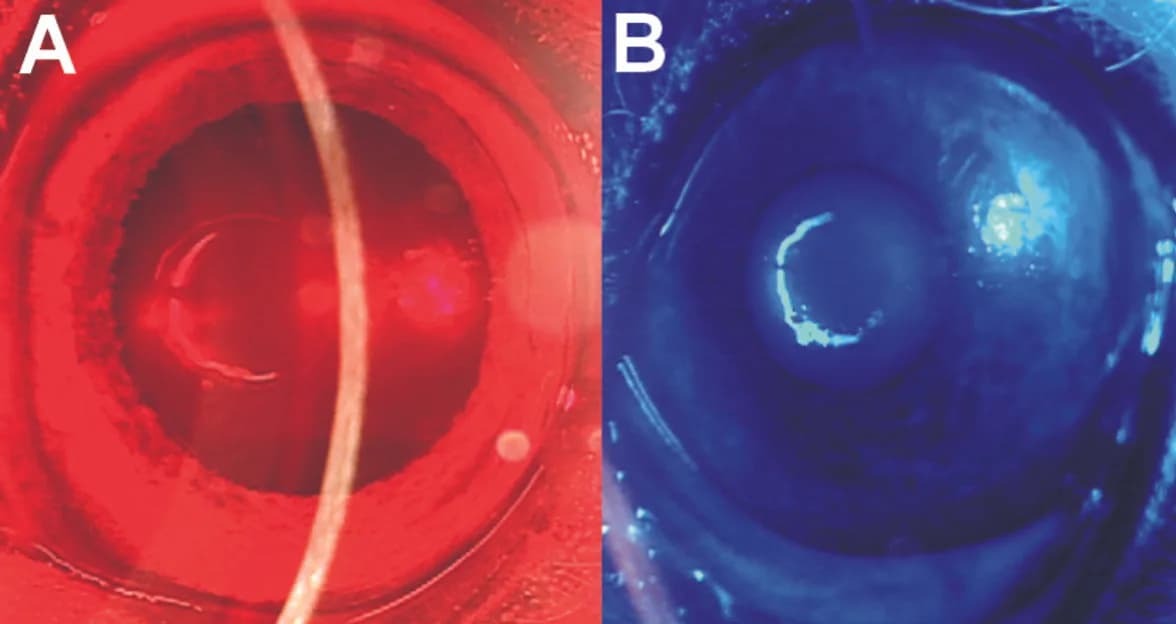
Early detection of SARDS: chromatic pupil light reflex (cPLR)
Evaluating the chromatic pupil light reflex as a tool for detecting SARDS before more advanced vision problems arise.
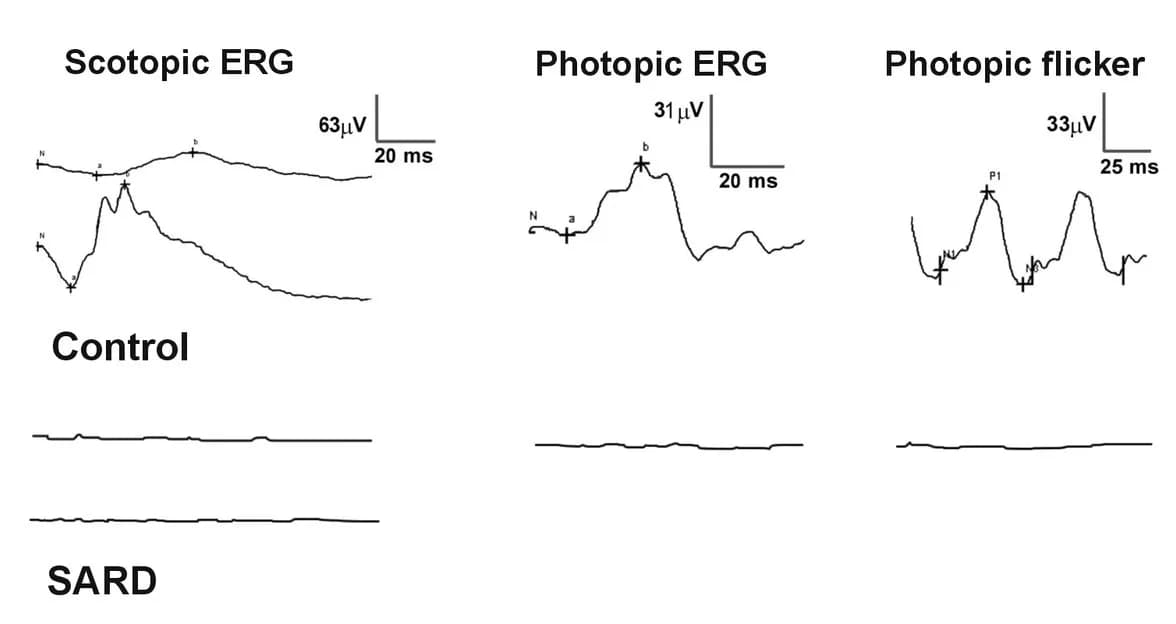
Early detection of SARDS: electroretinography (ERG)
Developing ERG routines for the early detection of retinal changes in dogs with SARDS.
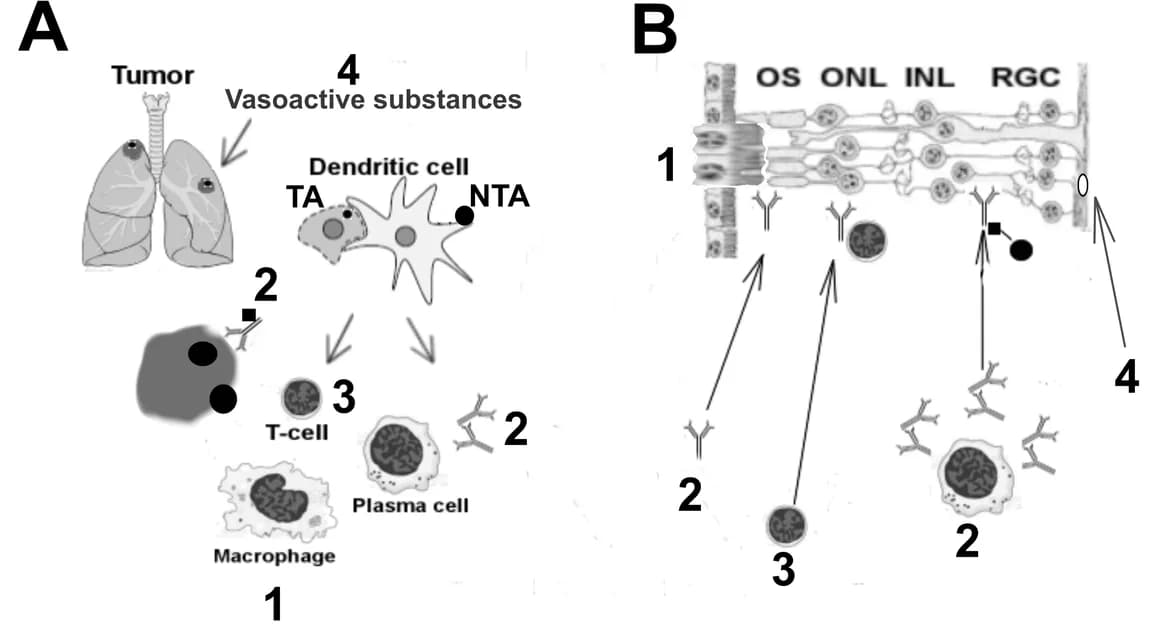
Role of T-cells in SARDS retinal damage
Examining the role of T-cells in causing retinal damage in patients with SARDS.
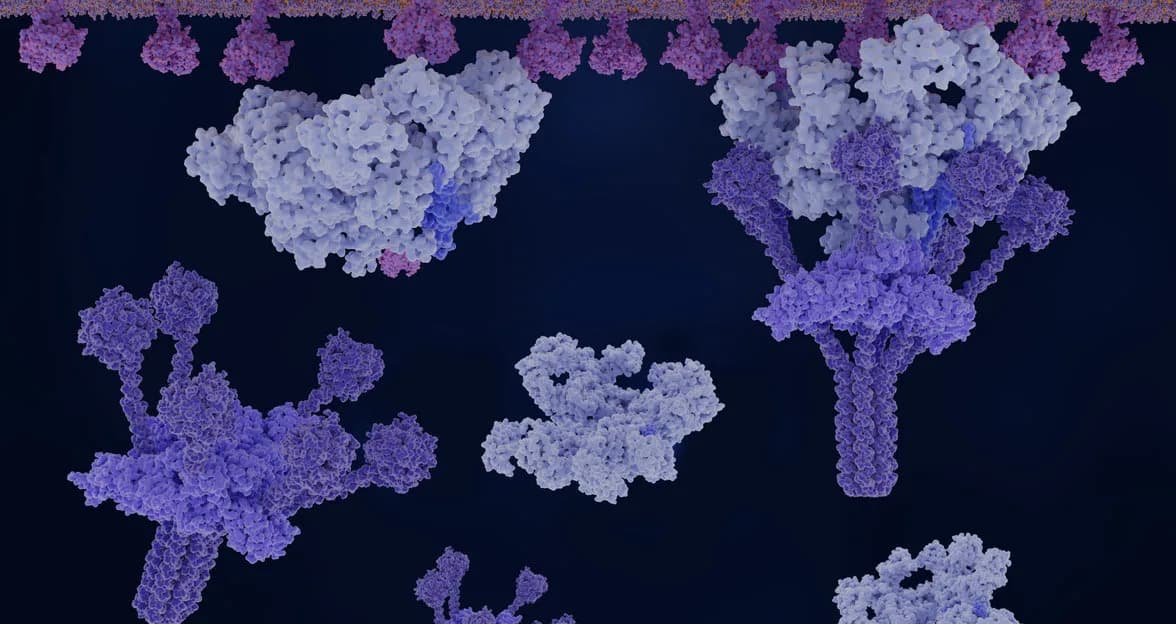
Mechanism of IVIg action in SARDS
Determining whether the therapeutic effect of IVIg is mediated through inhibition of the complement pathway.
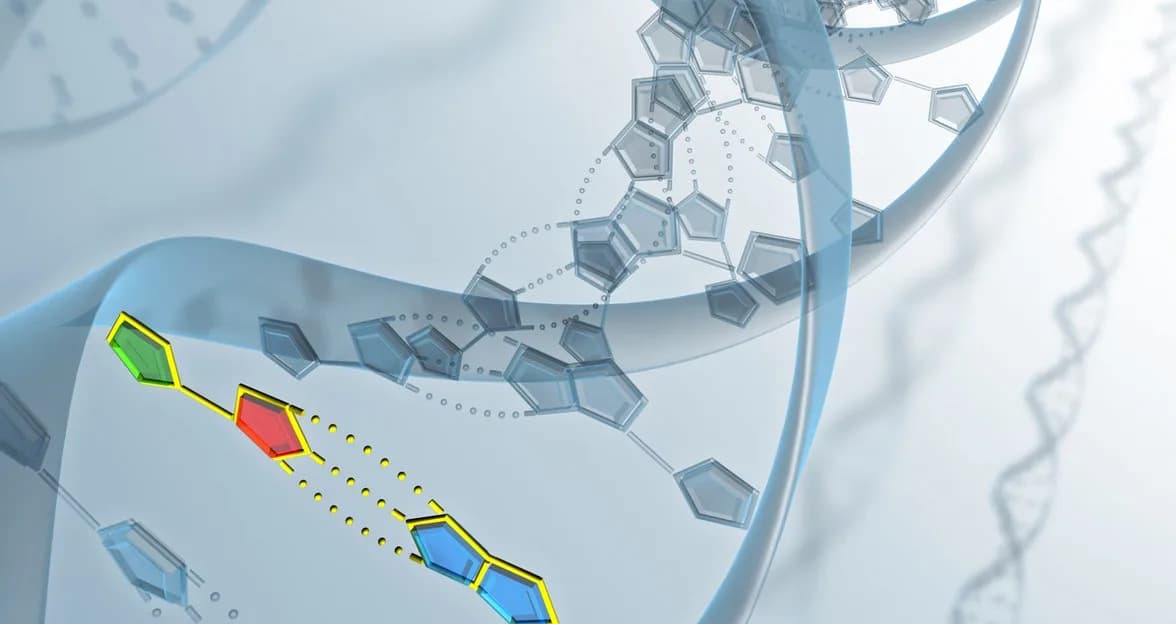
Gut microbiome changes in SARDS
Investigating whether alterations in the gut microbiome contribute to a more aggressive autoimmune disease profile.
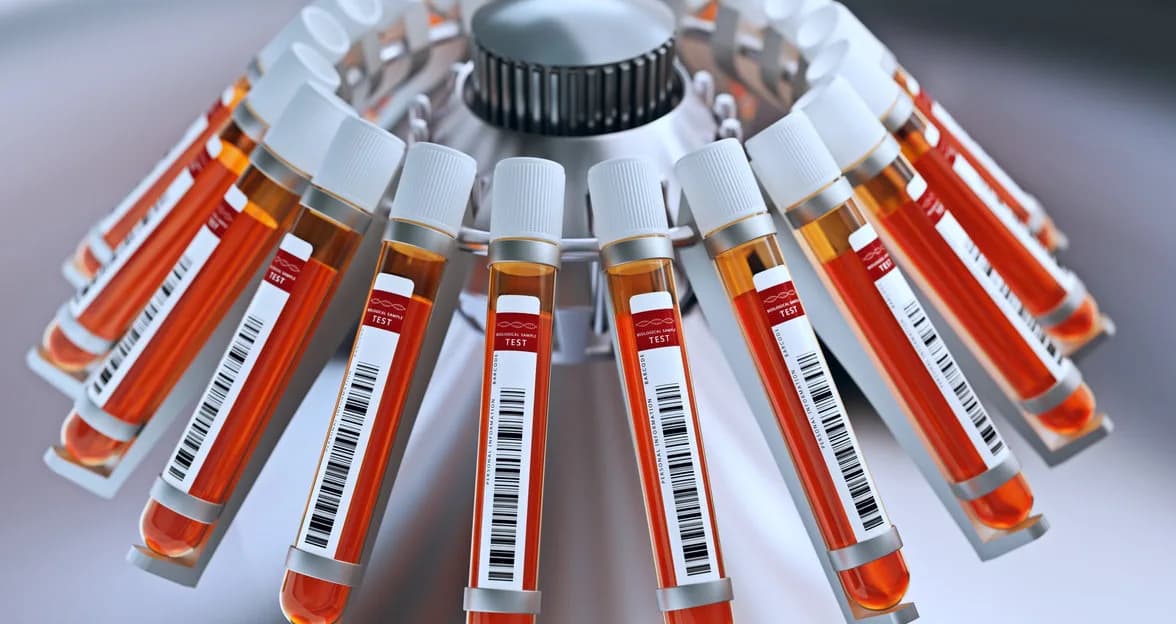
SARDS and pancreatitis
Assessing whether subclinical and clinical pancreatic inflammation are responsible for a diminished response to medical treatment.