
Immune-Mediated Retinopathy Associated with Uveodermatologic Syndrome
Immune-mediated retinopathy may occur as part of uveodermatologic syndrome. UVD is an immune-mediated disorder directed against melanocytes, producing depigmentation of skin and hair together with uveal inflammation. Both eyes are usually affected, although severity differs. Predisposed breeds listed include Akitas, Siberian Huskies, Chow Chows, German Shepherd Dogs, Samoyeds, Shetland Sheepdogs, Rottweilers, and Golden Retrievers.
Ophthalmic changes include anterior uveitis, chorioretinitis, or panuveitis, and cataract, retinal detachment, iris bombe, hyphema, and glaucoma may develop. Loss of pigment within the retinal pigment epithelium may be visible on fundic examination. Characteristic dermatologic signs include hair depigmentation and periocular and nasal vitiligo. Ocular changes may precede skin lesions.
Treatment
Diagnosis is based on the clinical presentation and histopathologic examination of representative tissue. Long-term immunosuppressive therapy is required. Corticosteroids are administered topically and systemically, often in combination with other immunosuppressive medications such as cyclosporine, mycophenolate, or leflunomide. Clinical signs may improve rapidly after treatment begins but can recur when treatment is discontinued. Blindness caused by glaucoma or retinal detachment may occur despite treatment.
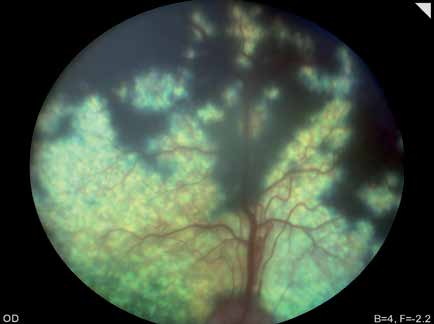
Uveodermatologic syndrome in a dog. Altered fundic pigmentation and retinal detachment are visible.
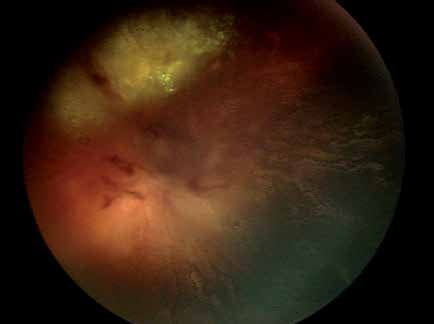
Uveodermatologic syndrome in a dog. Chorioretinitis, vitritis, and anterior uveitis are present. In the nontapetal fundus, pale tortuous lines represent chronic inflammation, and blood is visible in the vitreous.
Related in-depth guide
SARDS / IMR
Our full guide, including treatment and surgical options
Adapted from the Atlas of Ocular Diseases in Dogs and Cats by Dr. Siniša D. Grozdanić and colleagues. © Animal Eye Consultants of Iowa. The text and clinical images on this page are original content from the authors' own clinical practice and research, and may not be reproduced, distributed, or repurposed without permission.
Think your pet may have immune-mediated retinopathy associated with uveodermatologic syndrome?
Early evaluation gives us the most treatment options and the best chance of preserving vision.