
Oculoskeletal Dysplasia (OSD)
Inherited oculoskeletal dysplasia occurs in Labrador Retrievers and Samoyeds and is described as an autosomal recessive anomaly caused by a genetic mutation. Ophthalmic abnormalities may include complete retinal dysplasia with retinal detachment, vitreous degeneration, persistent hyperplastic primary vitreous, persistent tunica vasculosa lentis, lens coloboma, microphakia, and cataract. Affected dogs also develop abnormal skeletal development, including abnormalities of the radius, ulna, and tibia, hip dysplasia, and delayed epiphyseal development.
Treatment
Diagnosis is based on ophthalmic findings supplemented by ocular ultrasonography and skeletal radiography. A commercial genetic test is available. There is no specific treatment, although complications such as cataract, hyphema, glaucoma, and retinal detachment may be managed. Affected animals should be excluded from breeding.
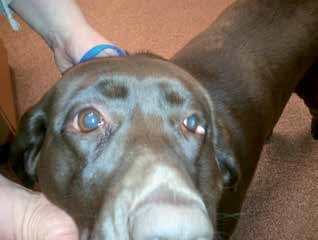
Oculoskeletal dysplasia in a Labrador Retriever. Cataract is visible.
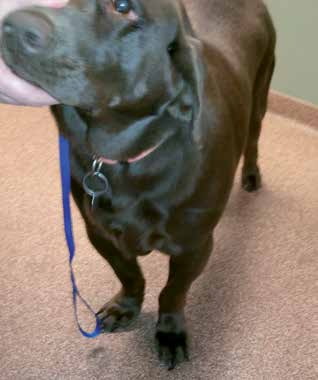
Oculoskeletal dysplasia in a Labrador Retriever. Skeletal deformity is visible.
Related in-depth guide
Retinal Disorders
Our full guide, including treatment and surgical options
Adapted from the Atlas of Ocular Diseases in Dogs and Cats by Dr. Siniša D. Grozdanić and colleagues. © Animal Eye Consultants of Iowa. The text and clinical images on this page are original content from the authors' own clinical practice and research, and may not be reproduced, distributed, or repurposed without permission.
Think your pet may have oculoskeletal dysplasia (osd)?
Early evaluation gives us the most treatment options and the best chance of preserving vision.